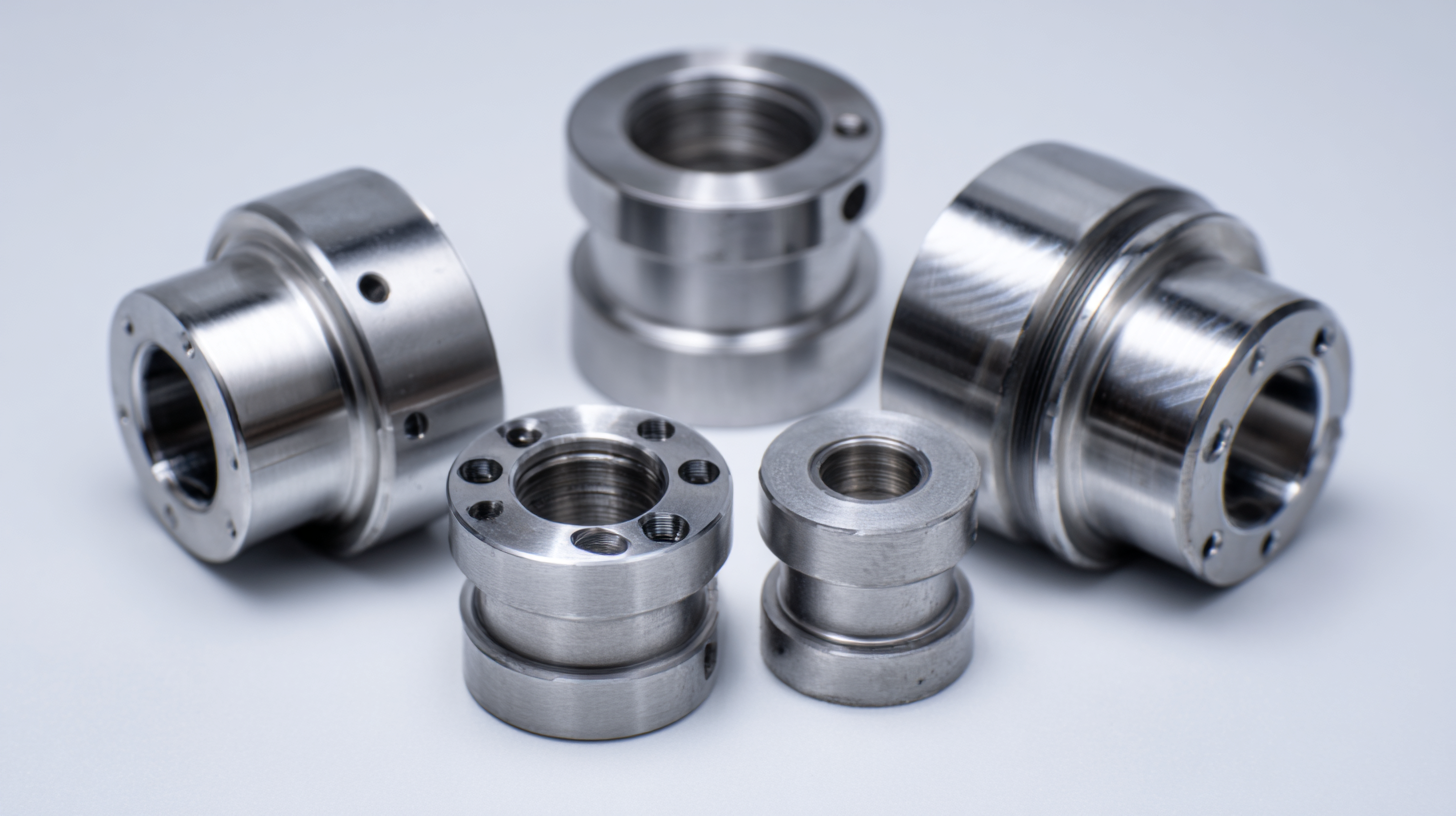
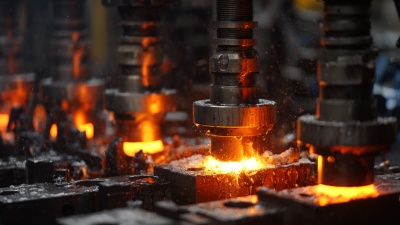
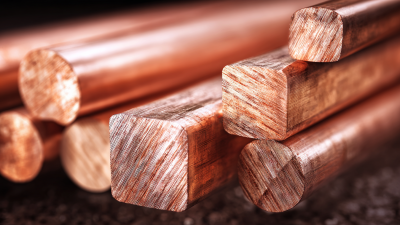
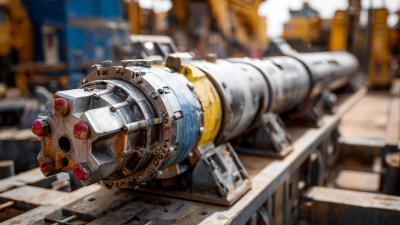
You know, in today’s fast-changing world of manufacturing, the need for innovative solutions is more important than ever—especially when it comes to Precision Cold Forgings. At Shaanxi Brilliant Machinery, we get it—advanced techniques and the latest tech are absolutely crucial to meet the high standards for quality and efficiency in the industry. We’re genuinely committed to being a global leader in manufacturing excellence, which pushes us to keep exploring and adopting the newest practices. These not only boost the quality of our products but also support sustainability and make our customers happy. In this blog, I’ll be sharing some of the coolest innovations in Precision Cold Forgings that are really setting new standards. Our goal? To stay ahead of the game and keep evolving, all while never losing sight of our relentless pursuit of top-notch quality and excellence.
Precision Cold Forging: Definition and Significance in Modern Manufacturing
You know, precision cold forginghas really become a game-changer in today’s manufacturing world. It’s a way to shape metal at lower temperatures, which helps produce really strong, high-quality components. That’s pretty important when you’re dealing with stuff that needs to hold up under tough conditions. And get this — market projections show that the cold forging market for Aerospace alone is expected to hit over4.5 million dollars by 2027. That just goes to show how much demand there is getting for lighter yet super durable parts in aviation tech.
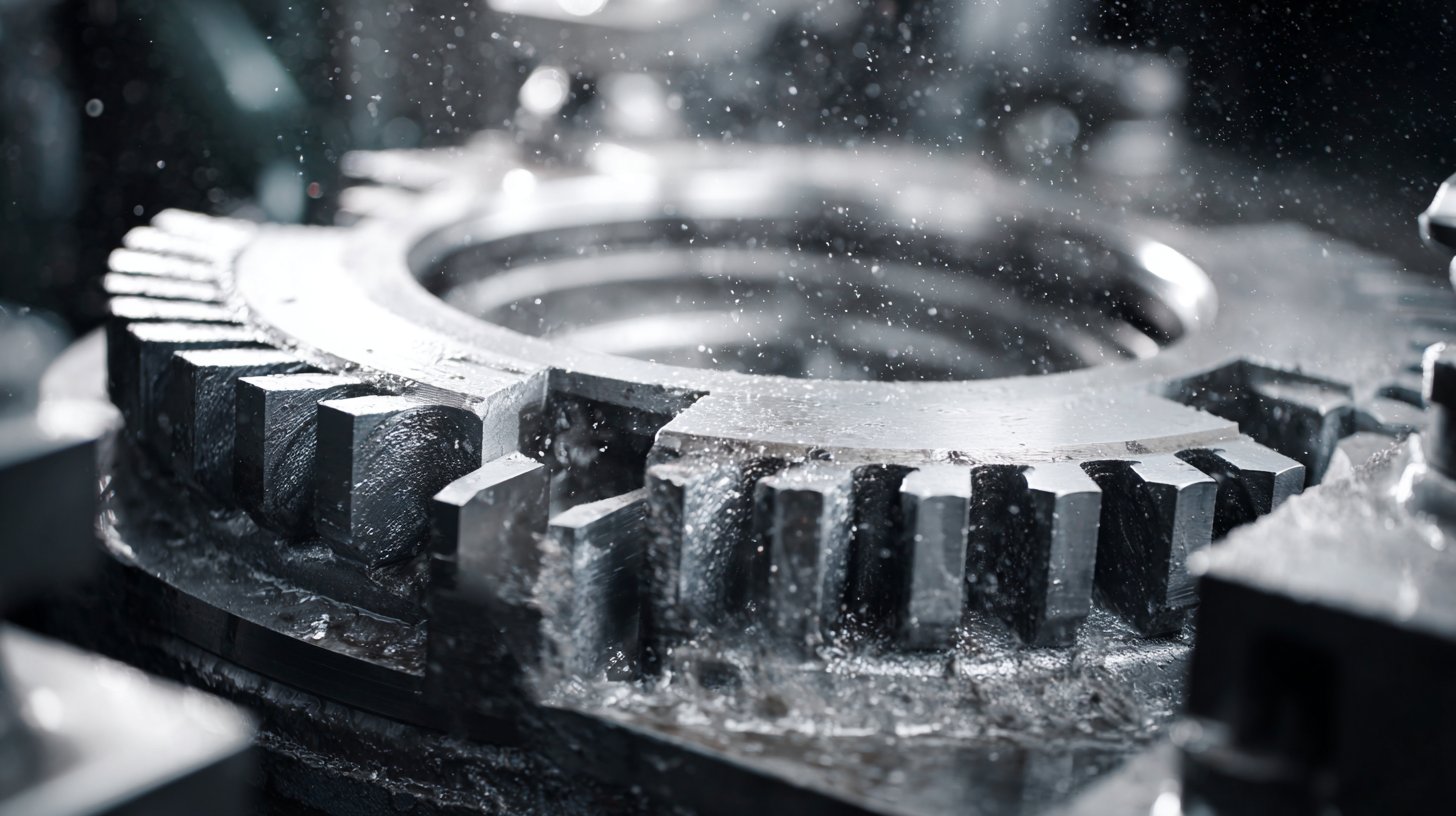
What’s also interesting is how this process isn’t just about making good parts—it’s pretty efficient too. It uses materials wisely and speeds up production. Industry experts are saying the global aerospace forging market could be worth around 28 billion dollars by 2034, growing at about 3.65% each year from 2025 onward. That growth really points to how essential advanced forging techniques are becoming, especially in industries like aerospace, auto manufacturing, and heavy machinery where performance standards are super high.
Plus, when manufacturers start including innovative tech into precision cold forging—like real-time monitoring—it really amps up productivity and keeps quality in check, even for those complex shapes. This combo of innovation and precise control makes it clear just how vital this forging method will be for the future of manufacturing. It’s pretty exciting to see how it all comes together, isn’t it?
Key Innovations Transforming Precision Cold Forging Techniques
You know, in the fast-changing world of modern manufacturing, precision cold forging really stands out as a key player when it comes to creating high-tech components. There’s a bunch of new innovations shaking up the old-school techniques, and honestly, it’s making things faster and way better in terms of quality. For example, using advanced die designs and computer-aided engineering has seriously boosted how precise and consistent these forged parts are. By harnessing these tech tools, companies can streamline the process, cut down on wasted materials, and save energy, which all adds up to a more eco-friendly way of making things.
On top of that, the whole scene is being totally transformed by smart manufacturing tech like IoT and machine learning. These tools let manufacturers keep an eye on the process in real-time and make quick adjustments on the fly. That means the process becomes more stable, and the final results are more predictable. As a bonus, they can hit tighter tolerances and give those forged parts better mechanical properties — a big deal for industries like aerospace and auto manufacturing. All in all, the focus on innovation isn’t just making production more efficient; it’s also pushing precision cold forging to the cutting edge of modern manufacturing. Pretty exciting stuff, right?
Innovative Solutions for Precision Cold Forgings
Data-Driven Insights: Performance Improvements from Cold Forging Methods
You know, using data-driven insights in precision cold forging is really shaking up how we do manufacturing these days. In-process monitoring is a game-changer—it helps improve cold forging pretty much across the board. By leveraging accurate measurement tools that keep track of things like force, shape, and temperature, manufacturers can better guarantee that their metal parts are top-notch. Plus, with real-time data analysis, they can make quick tweaks on the fly, which cuts down on waste and keeps the final products consistent and reliable.
And it doesn’t stop there. Throwing in some cutting-edge tech like AI and machine learning takes things to a whole new level. These tools help with things like predictive maintenance, giving instant feedback on what's happening during production, and even running different scenarios before making changes—pretty cool, right? Since industries like aerospace are always pushing for lighter, stronger materials, tapping into this kind of data-driven approach isn’t just a bonus anymore; it’s pretty much a must for staying ahead of the curve. All signs point to big growth in the aerospace cold forging market, driven by the need to develop innovative, high-performance materials without blowing the budget.
Case Studies: Leading Industries Leveraging Precision Cold Forging Advantages
You know, precision cold forging has really become a game-changer in today's manufacturing world. Almost every industry benefits from it in some way. Companies are really jumping on this bandwagon, using the latest tech to make their processes more efficient, create stronger and lighter parts, and cut down on costs. Take the auto industry, for example – they’re using precision cold forging to craft all those tiny, complex parts that need to be super strong but lightweight, which is a big deal when it comes to saving fuel and making cars perform better.
At Shaanxi Brilliant Machinery Co., Ltd., we’re all about quality and doing right by the planet. By adopting the latest in cold forging technology, we make sure our products meet the high standards expected worldwide. Plus, we’re really serious about reducing waste and running an eco-friendly operation. As industries keep evolving, companies like ours are pushing the limits of what's possible with precision cold forging, constantly driving innovation and raising the bar for quality in manufacturing.
Future Trends: Predicting the Evolution of Cold Forging Processes in Manufacturing
The world of cold forging is changing pretty quickly these days, mainly thanks to new tech and the growing need for really precise manufacturing. As industries start to focus more on being efficient and accurate, we can expect some exciting innovations coming up — especially in tools, automation, and new materials. Incorporating AI and machine learning into cold forging? That’s a game changer. It’ll make operations smoother, boost quality control, cut down waste, and produce better, more consistent results.
If you’re in manufacturing and want to keep up with these trends, a good starting point is to invest in modern machinery that plays nicely with data analytics tools. This way, you can keep an eye on things in real time and tweak your processes as needed, making sure everything stays precise during production. Also, checking out new materials that pack a higher strength-to-weight ratio can really give your finished products a boost.
And don’t forget about sustainability — it’s more important than ever. Companies really should look at eco-friendly practices, like saving energy and recycling materials, to stay ahead of the game. Not only does this meet what consumers want today, but it also puts your business in a better spot in the market. By staying on top of these trends, you’ll help ensure your cold forging processes stay modern, efficient, and competitive for years to come.
Innovative Solutions for Precision Cold Forgings in Modern Manufacturing - Future Trends: Predicting the Evolution of Cold Forging Processes in Manufacturing
| Category | Trend | Impact on Manufacturing | Expected Adoption Year |
| Automation | Increased use of robotics | Higher precision and reduced labor costs | 2025 |
| Material Science | Development of new alloys | Enhanced durability and weight reduction | 2026 |
| Technology Integration | Smart manufacturing systems | Improved efficiency and real-time monitoring | 2024 |
| Sustainability | Eco-friendly forging practices | Lower environmental impact and cost savings | 2027 |
| Customization | On-demand production | Faster turnaround and better client satisfaction | 2025 |
FAQS
: Precision cold forging is a manufacturing technique that shapes metal at low temperatures to create high-quality components with enhanced structural integrity. Its significance lies in efficient material usage, short production times, and the ability to meet stringent performance standards, particularly in industries like aerospace and automotive.
The aerospace cold forging market is projected to surpass USD 4.5 million by 2027, with the global aerospace forging market expected to reach USD 28.41 billion by 2034, growing at a CAGR of 3.65% from 2025 to 2034.
Data-driven insights enhance cold forging performance by utilizing in-process monitoring strategies to capture precise measurements of force, geometry, and temperature, ensuring product quality and reducing waste through real-time adjustments and optimizations.
The integration of AI and machine learning into cold forging processes allows for predictive maintenance, real-time feedback on production conditions, and simulations of manufacturing scenarios, significantly improving operational efficiency and material performance.
Future trends in cold forging include innovations in tooling, automation, and material science, alongside a greater emphasis on sustainability, energy optimization, and recycling practices within manufacturing processes.
Manufacturers should invest in advanced machinery compatible with data analytics tools for real-time monitoring, explore new materials with better strength-to-weight ratios, and adopt sustainable practices to meet consumer demand.
Sustainability is becoming essential due to increasing consumer demand for eco-friendly products and practices, which can also provide a competitive advantage in the market by optimizing energy usage and recycling materials.
Precision cold forging adapts through the incorporation of innovative solutions and in-process monitoring to improve quality control, allowing manufacturers to remain responsive to changes in market requirements and performance standards.
Conclusion
You know, in the world of modern manufacturing, 'Precision Cold Forgings' has really become a game-changer. It’s a technique that offers incredible accuracy and efficiency—kind of like the gold standard nowadays. Not only does it really boost the quality of mechanical parts, but it also helps cut down on waste, which is great for sustainability. Companies like Shaanxi Brilliant Machinery are definitely on board with these eco-friendly practices. In this blog, we’ll walk through what precision cold forging actually is and why it matters so much. We’ll also check out some of the coolest innovations that are reshaping how things are done, plus, dive into some data that shows how different industries are actually improving performance thanks to this tech.
And it gets even more interesting with real-world case studies—showing how top sectors are leveraging the benefits of precision cold forgings to stay competitive and ahead of the game. Looking ahead, the future of cold forging is pretty exciting—more advancements are on the horizon, promising to keep pushing the boundaries. This means companies can continue delivering top-notch quality and keeping their customers happy, all while staying adaptable to the changing market. It’s an exciting time for sure!